
Filling, Pigging and Gas Slugs in Tanks with Internal Floating Roofs
Some of the most severe IFR damage described in the project sources occurred not during normal storage but during filling-line pigging or rapid gas release. Compressed nitrogen can expand rapidly after entering the tank, while…
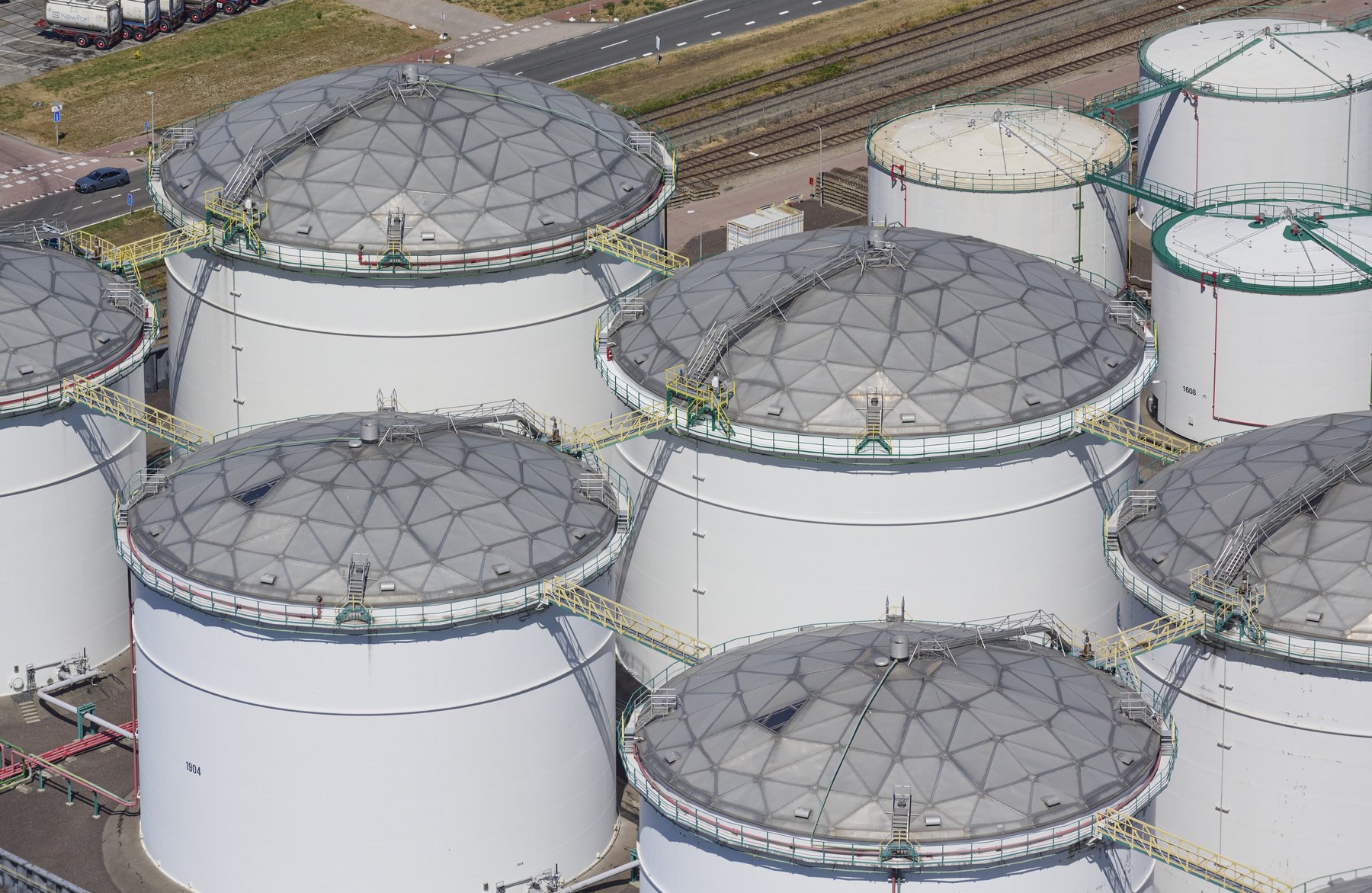
Designing the inlet, vent path and operating procedure for transient gas release
Some of the most severe IFR damage described in the project sources occurred not during normal storage but during filling-line pigging or rapid gas release. Compressed nitrogen can expand rapidly after entering the tank, while an inlet elbow can direct a concentrated gas/liquid jet toward a lightweight roof. Mitigation is therefore a combined process, mechanical and operating problem: limit the gas rate where possible, disperse the inlet flow, provide adequate relief paths, and consider credible stuck-pig and vessel-stripping scenarios.
Key points
- Normal liquid filling data alone do not define the pigging design case.
- A stuck pig can increase pressure and gas bypass, creating a more severe transient than routine pigging.
- A diffuser should control both gas momentum and liquid inlet velocity.
- Dedicated IFR vents and rim vents can prevent pressure accumulation beneath the roof.
- Vents should release gas without throwing liquid onto the roof, where it adds weight and fire risk.
Why pigging is different
During normal filling, a predominantly liquid stream enters the tank at a known volumetric rate. During nitrogen pigging, a compressed gas expands into a much larger volume as pressure falls. If released through the full filling line without restriction or dispersion, the instantaneous upward flow can act on the underside of the IFR and damage panels, seals or connections.
The stuck-pig case
The source material identifies the stuck pig as a critical scenario. Operators may raise nitrogen pressure to move the pig, while gas can leak around it. When the restriction clears, a large gas inventory can discharge rapidly. This case should be considered explicitly rather than sizing only for the nominal pigging procedure.
Operational mitigation
- Use a reduced-diameter nitrogen release line to limit gas flow where operationally acceptable.
- Interlock the pig receiver or release path with the main tank inlet valve to prevent accidental full-bore release.
- Consider liquid-propelled pigging where the process permits.
- Define pressure limits and abnormal-response procedures for a stuck pig.
Inlet diffuser
Where full-line pigging must remain possible, the inlet geometry becomes a primary safeguard. The archive describes diffusers designed to reduce momentum, distribute gas over a larger area and control liquid velocity. Required inputs include line diameter, line length, maximum nitrogen pressure, maximum product flow and maximum tank liquid level.
Pressure relief beneath the IFR
Even a well-dispersed gas flow still has to pass the floating roof. Dedicated pigging vents, together with relief paths in the rim-seal area, can prevent pressure build-up. The source design concept uses baffled vents intended to pass gas while limiting liquid splash. This detail matters because a vent that saves the roof but deposits a large quantity of product on top can create a different serious hazard.
Commissioning and verification
A pigging-capable tank should have a documented design basis, vent quantity and layout, operating pressure envelope and functional check of moving vent covers or relief devices. Following significant pigging events, inspection should consider panel distortion, seal displacement, product on the roof and damage around inlet or vent locations.
Conclusion
Pigging is an operational transient that must be included in IFR design whenever it is credible. The most effective approach combines rate control, inlet dispersion, adequate gas-release area and clear operating safeguards. Treating pigging as an afterthought can leave a structurally sound roof exposed to loads it was never intended to experience.
Source basis and publication notes
This draft is a supplier-neutral synthesis of the project source material. Supplier-specific claims, branding and proprietary conclusions have been removed or reframed as general engineering considerations. No attempt has been made in this draft to update historical standards or regulatory references beyond what the source material itself states.
Principal source material
- Whitepapers.zip — Filling and Pigging2.docx
- Whitepapers.zip — IFR Nitrogen pigging 20160627 UK rev 1.docx
- Product Selection and Design Guide HMT.docx (diffusers and gas-slug design topics)
Before publication: verify current editions and clause references for API, EEMUA, EN, NFPA, PGS and applicable local regulation; confirm any quantitative design limits against the project-specific code basis; and use project photographs only after branding/confidentiality review.