
Case study
Reliability-Centred Maintenance in Food & Beverage Production
An RCM implementation that challenged inherited maintenance activity against function, failure and consequence, with reliability — not maintenance cost — as the objective.

Better results begin with a stronger starting point. We help industrial businesses understand what is really driving performance, test whether existing limits still apply and turn that insight into practical results.
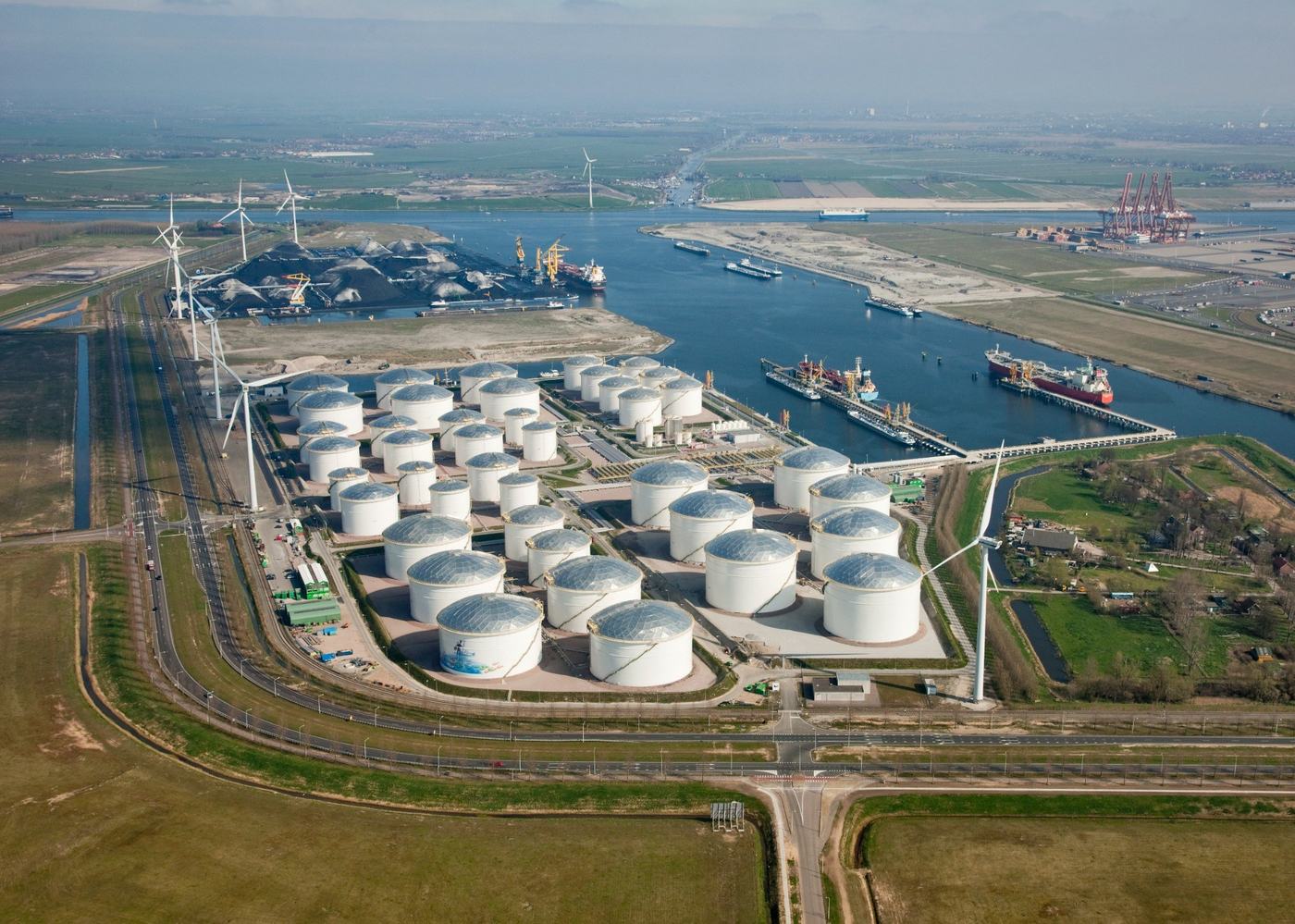
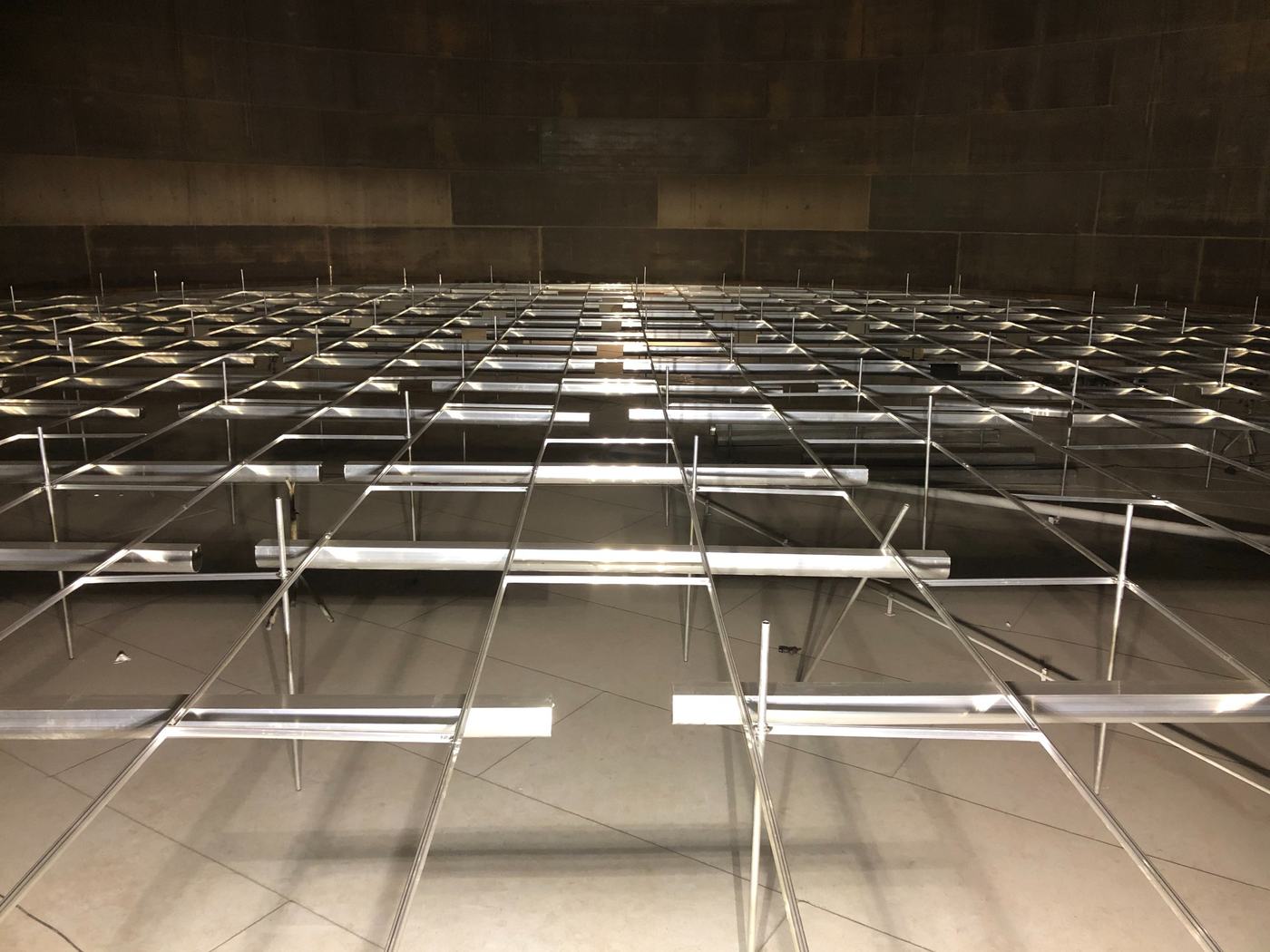
Reduce emissions without compromising reliability or performance.
→
Make better maintenance, integrity and lifecycle decisions.
→
Test new ideas against real operational value.
→
Get functions working toward the same result.
→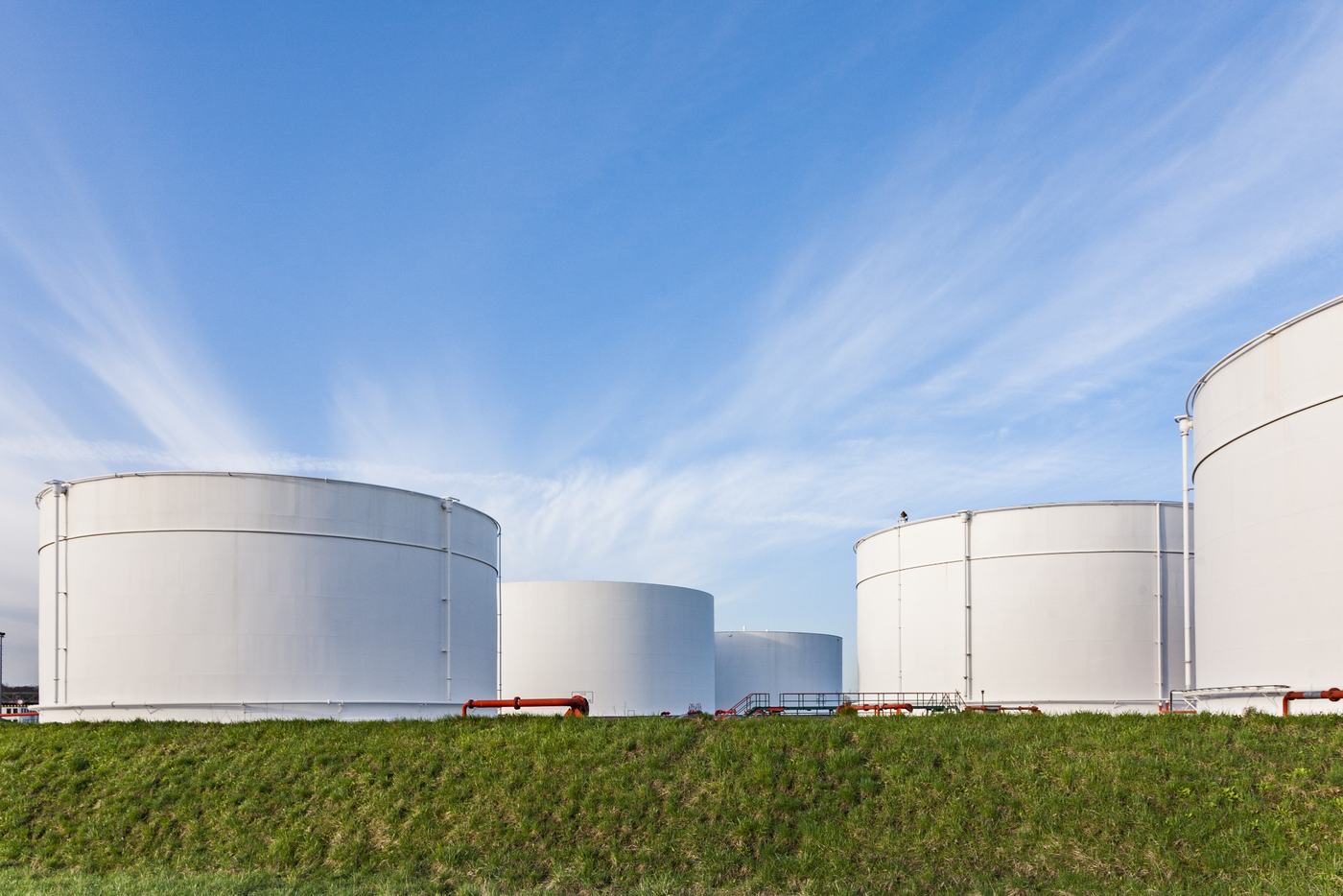
Independent expertise in tanks, terminals and emission control.
→Before adding more effort, establish what is really driving the situation. Surface hidden assumptions, separate current constraints from inherited ones and cross-reference comparable problems in other industries or disciplines.
What is actually creating the current situation?
What are we treating as fixed without having tested it?
Which constraints still hold, and which belonged to an earlier context?
Where has the same underlying problem been solved in another industry or domain?
Understand what is shaping the situation, surface hidden assumptions, test which limitations still hold and compare the same underlying problem across other domains. What survives that scrutiny becomes the basis for action.
Our approach →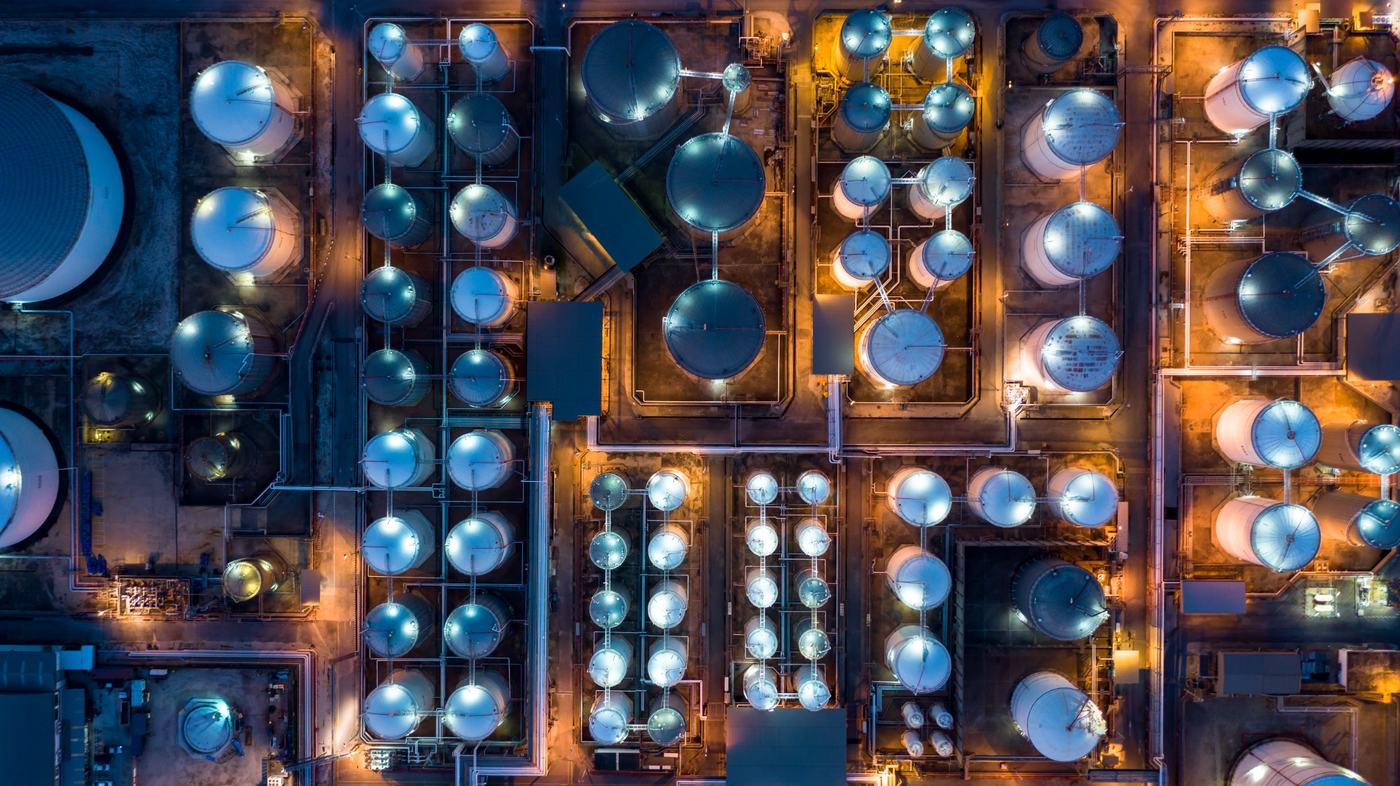
Establish what is actually creating the current situation.

Make visible what is being treated as fixed, obvious or unavoidable.
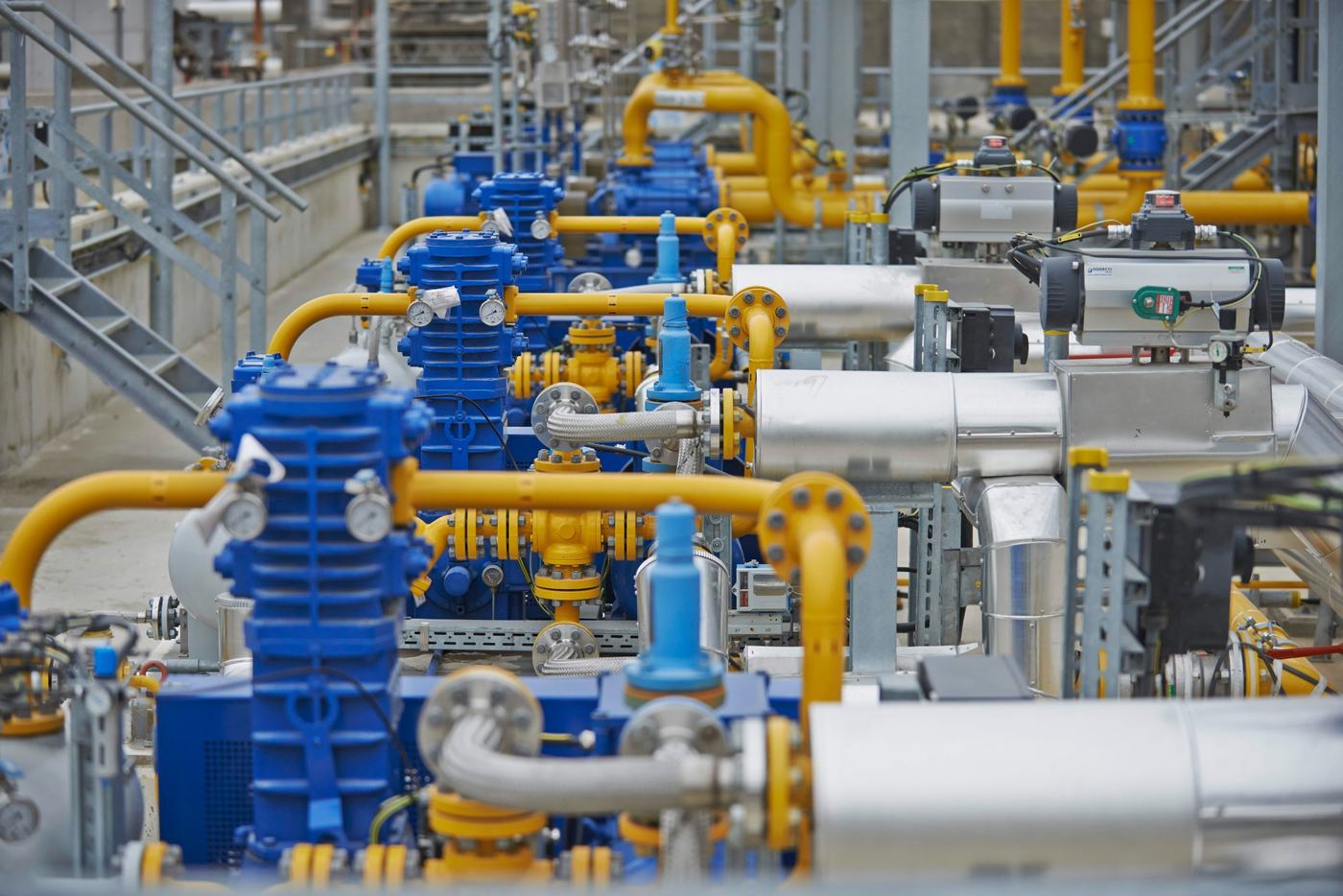
Distinguish current constraints from limitations inherited from an earlier context.
Cross-reference similar problems in other industries and disciplines before narrowing the solution.
More than 25 years across operations, maintenance, asset integrity, technical standards, emissions and industrial innovation.
Storage tanks and terminals remain a specialist capability, not the boundary of the business.
About Emission Zero →Good procedures matter. So does understanding why they exist, what they are meant to achieve and when the circumstances have changed.
Knowledge & capability →
An RCM implementation that challenged inherited maintenance activity against function, failure and consequence, with reliability — not maintenance cost — as the objective.
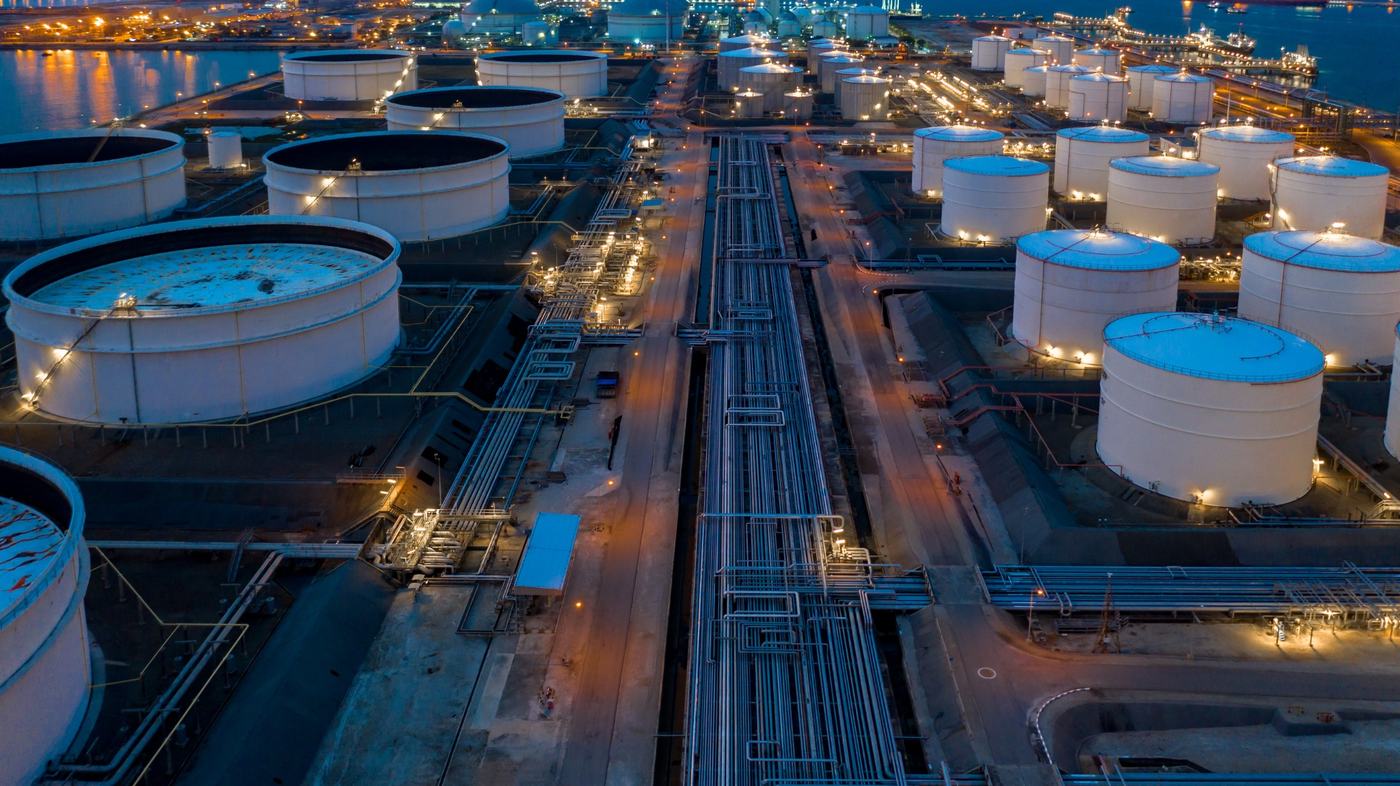
A five-terminal implementation that shifted the focus from inspection intervals to integrity decisions and directed inspection, maintenance and capital to the risks that mattered most.
Short observations from industrial practice on assets, decisions, measures and implementation.
View insights →
There is a particular kind of independence that organisations value enormously. The independent consultant has no permanent allegiance, carries no corporate history and is supposedly free to judge each problem on its merits. This makes him especially attractive when technical decisions are difficult, suppliers disagree and management would prefer an opinion that appears to have […]
Read essay →There are management philosophies that arrive in books, usually accompanied by diagrams. Others develop more organically. A man I will call Mr VAM preferred two short formulations. “In sales and war all is allowed” dealt with the period in which something still had to be achieved. “Deny till you die” dealt with what came afterwards. […]
Read essay →A collection of sensible departmental decisions can still produce an outcome that nobody intended.
Read essay →Bring us the situation, constraint or decision that deserves a closer look.