Primary — B
Formed-sheet primary seal combining flexibility and shell contact.

Bent sheet / compression shoe primary + Compression plate secondary
A two-stage rim-seal configuration combining the EZseal B primary mechanism with the EZseal C secondary system. Final geometry and materials are established from the actual tank and roof operating envelope.
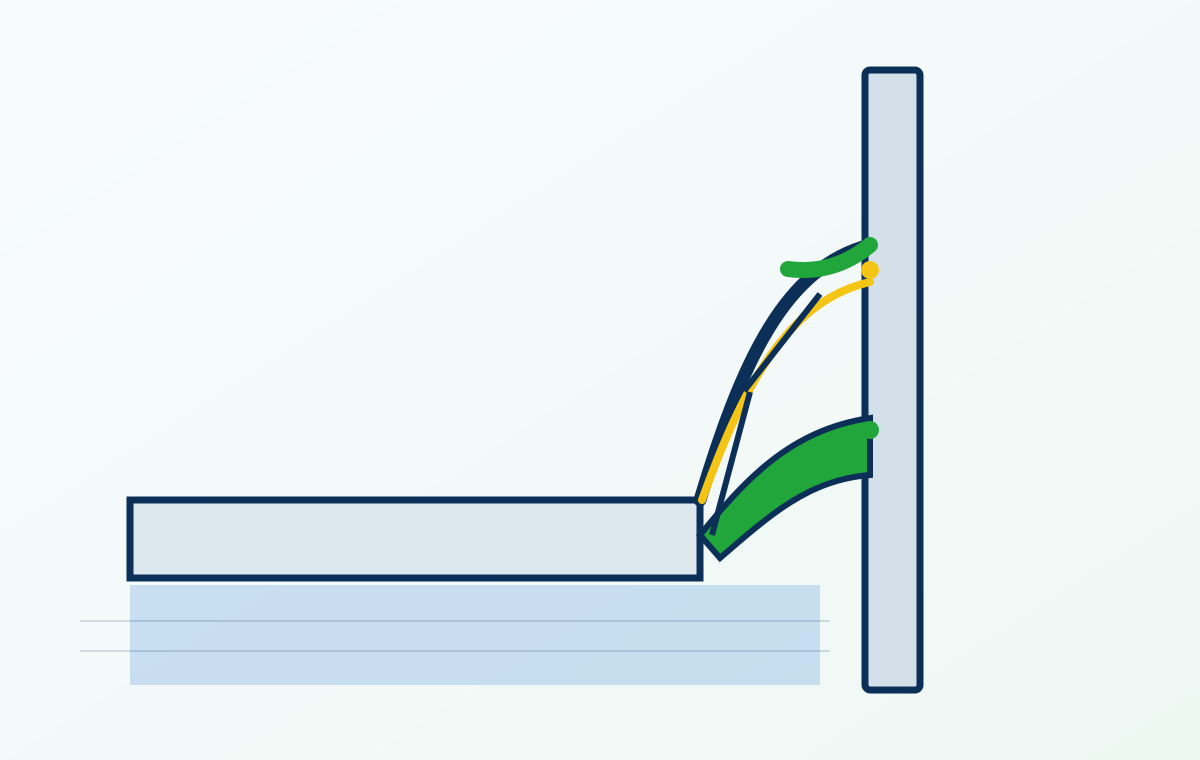
The primary sealing element is formed to create its own controlled spring action. The detailed profile, overlap, material and vapour barrier are engineered around rim-space variation, shell condition and the roof configuration rather than treated as a one-size-fits-all component.
A rim-mounted secondary barrier using spring/compression plates and a project-selected sealing material. It provides a second controlled barrier above the primary seal and can be configured for internal, covered or external floating-roof service.
Formed-sheet primary seal combining flexibility and shell contact.
Rim-mounted compression-plate secondary seal.
Minimum, nominal and maximum rim space are checked against shell condition and roof movement.
Metal, fabric and polymer selections are matched to product service, temperature and the project specification.
The primary sealing element is formed to create its own controlled spring action. The detailed profile, overlap, material and vapour barrier are engineered around rim-space variation, shell condition and the roof configuration rather than treated as a one-size-fits-all component.
A rim-mounted secondary barrier using spring/compression plates and a project-selected sealing material. It provides a second controlled barrier above the primary seal and can be configured for internal, covered or external floating-roof service.
EZseal configuration codes describe mechanical families, not pre-approved universal designs. Final selection and dimensions are project-specific and checked against the applicable tank, emissions and fire-safety basis.
Emission Zero can review the application before turning it into a product configuration or project specification.