
Physical systems for better tank performance.
Emission Zero products are organised around the tank problem they solve: cover the tank, control the liquid surface, seal the rim and engineer the fittings that determine real in-service performance.
Cover. Float. Seal.
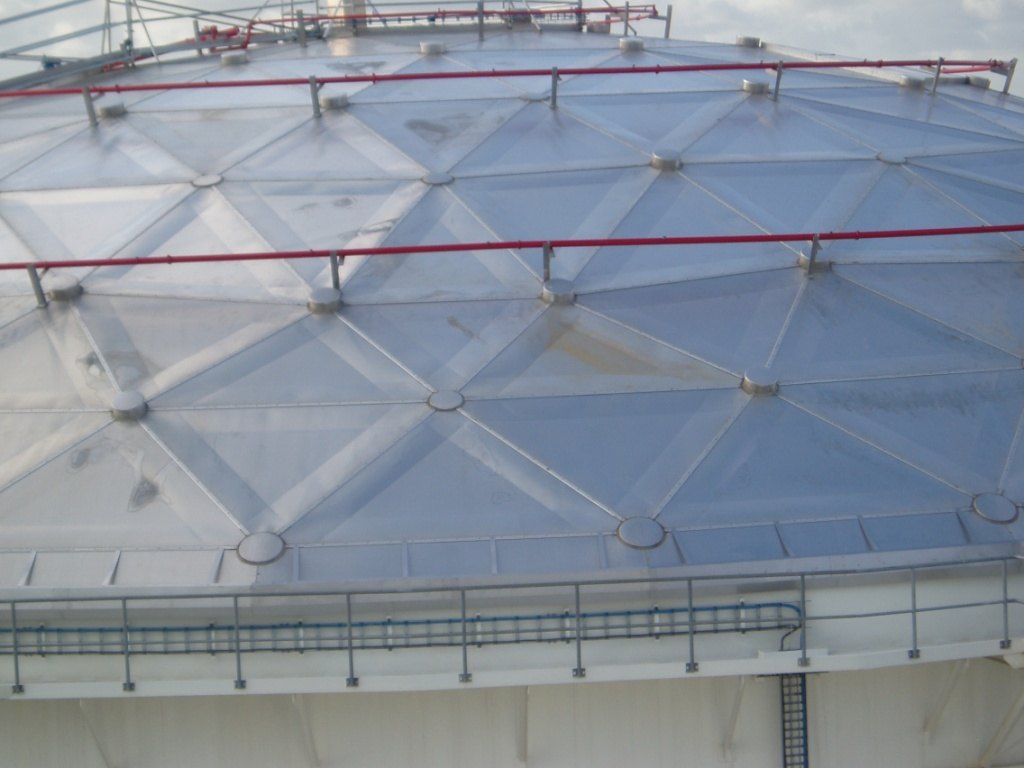
EZdome
Aluminium geodesic dome roof
A lightweight aluminium dome engineered as part of the complete tank: structure, panel system, supports, watertightness, access and installation are considered together rather than as isolated components.
Explore →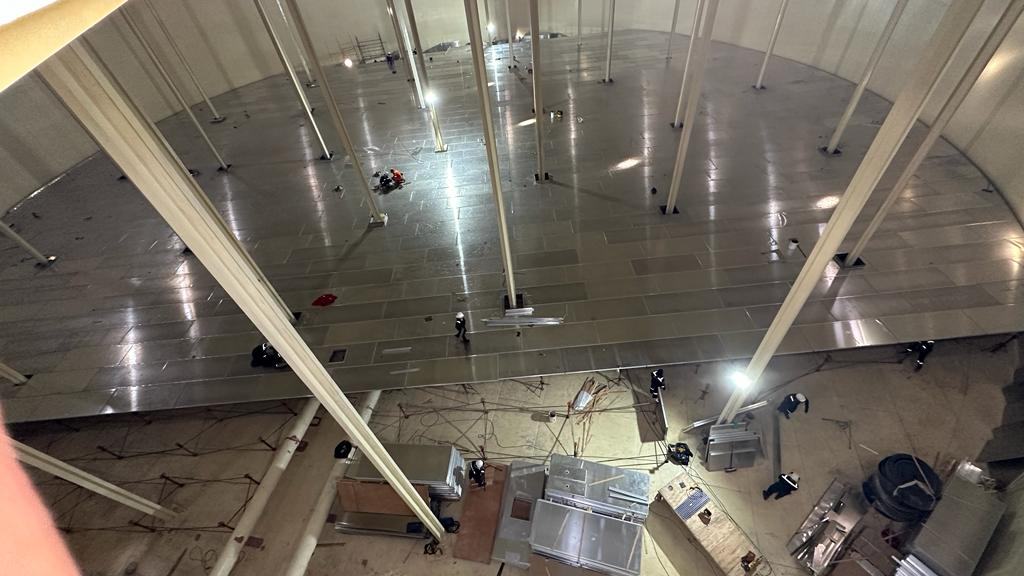
EZroof HC
Full-contact aluminium internal floating roof
A full-contact IFR designed to reduce the continuous vapour space beneath the deck and make the deck, seams, fittings, buoyancy and rim seal work as one emission-control system.
Explore →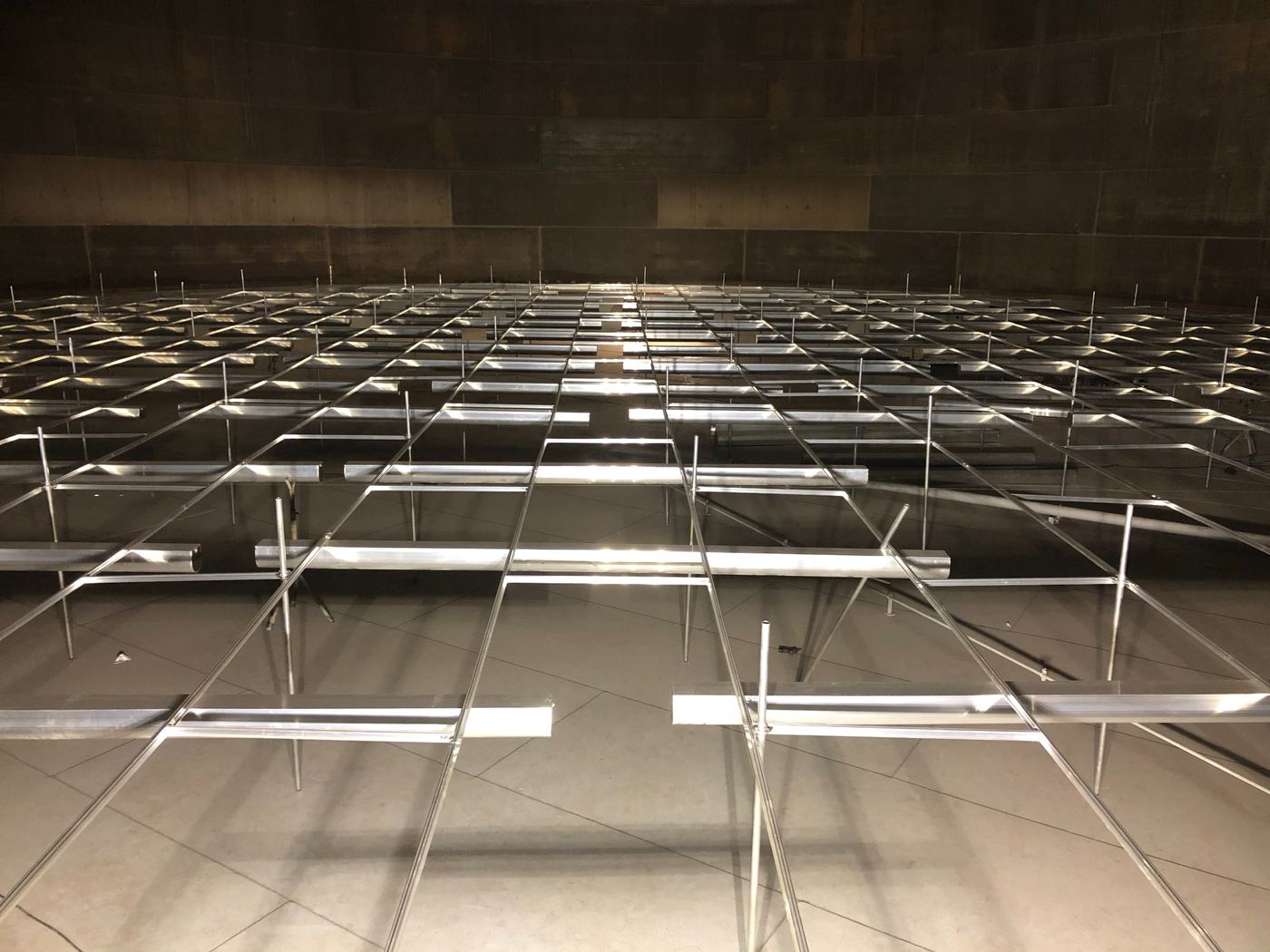
EZroof NC
Non-contact aluminium skin-and-pontoon internal floating roof
A deliberately robust non-contact IFR for applications where a skin-and-pontoon concept is the right answer — engineered around independent structure, reliable buoyancy and control of the vapour space beneath the deck.
Explore →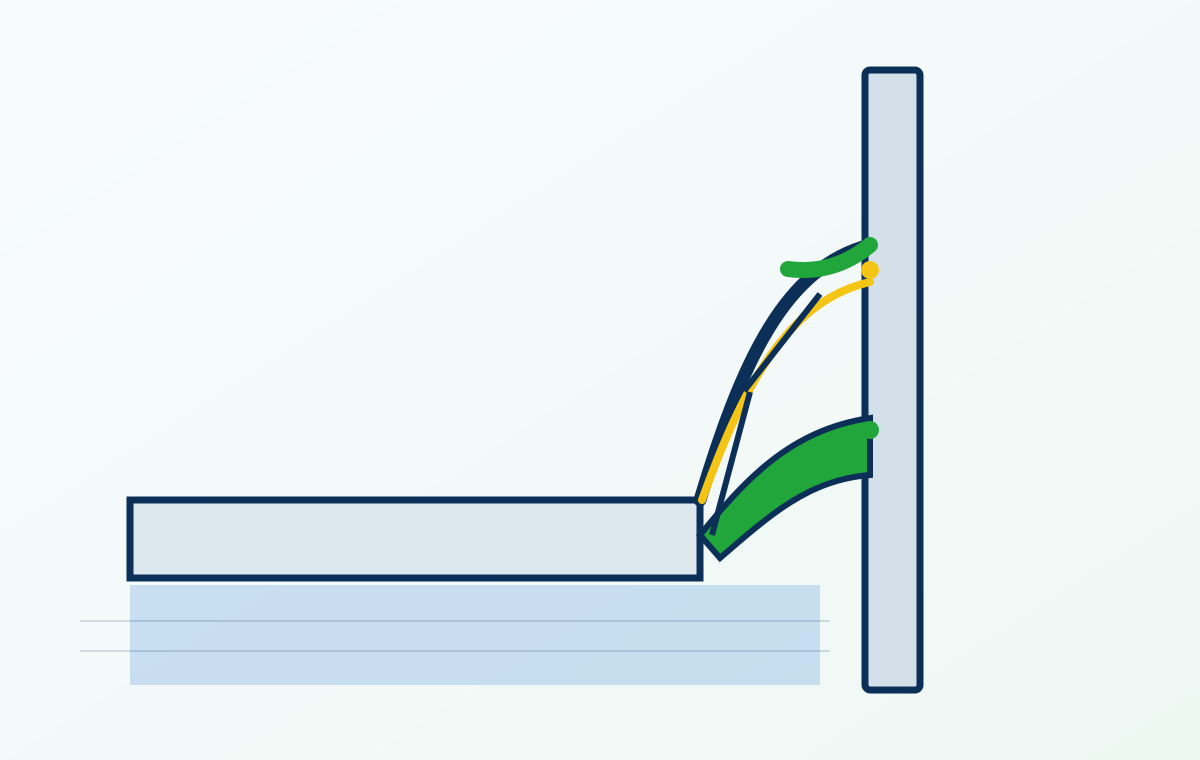
EZseal
Primary and secondary floating-roof rim seals
A modular seal family selected from the tank outward: primary mechanism first, secondary configuration second, with the combination matched to rim-space behaviour, roof type, product and operating envelope.
Explore →The details that make the main system work.
Project-engineered rather than treated as generic catalogue items.

EZvent
Tank and floating-roof venting
Venting hardware and calculation support developed from the actual flow case, roof condition and pressure path — not from a nominal vent size alone.
Explore →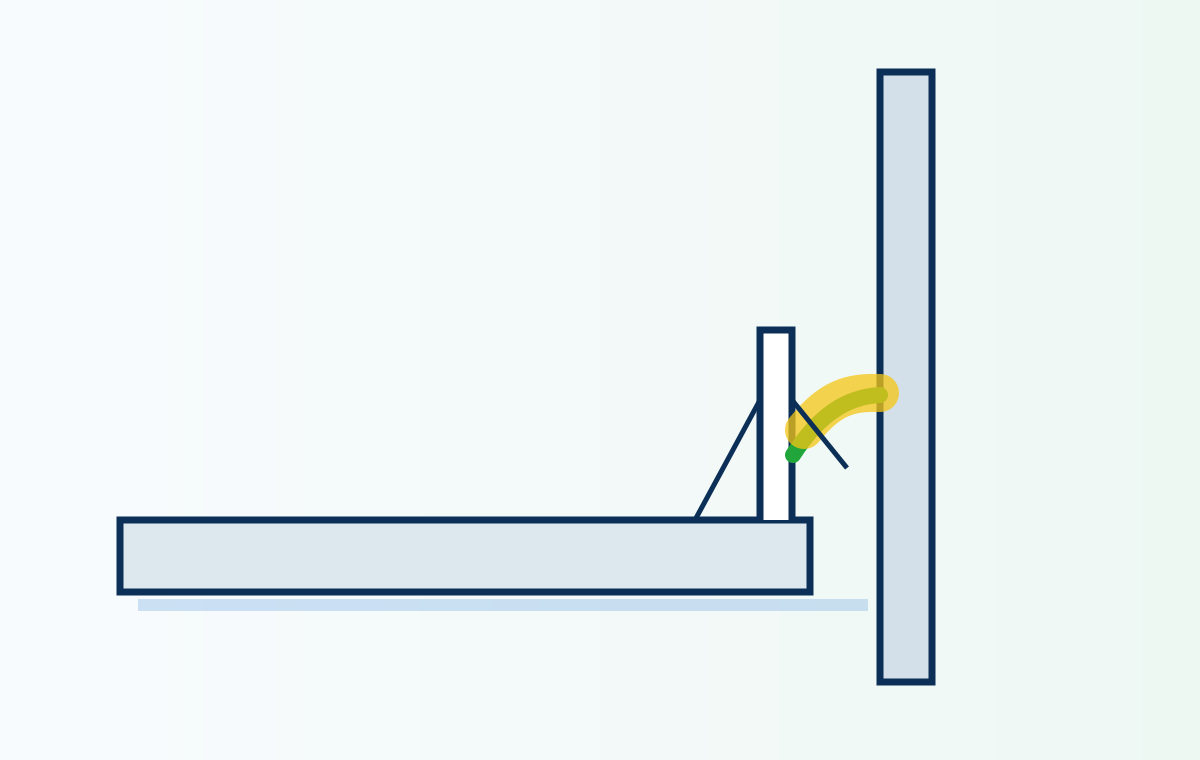
EZfoam
Foam dams and rim fire-system interfaces
Project-engineered foam-dam and rim-interface components that coordinate the floating roof, seal geometry and the fire-protection philosophy instead of treating the foam dam as a stand-alone strip of metal.
Explore →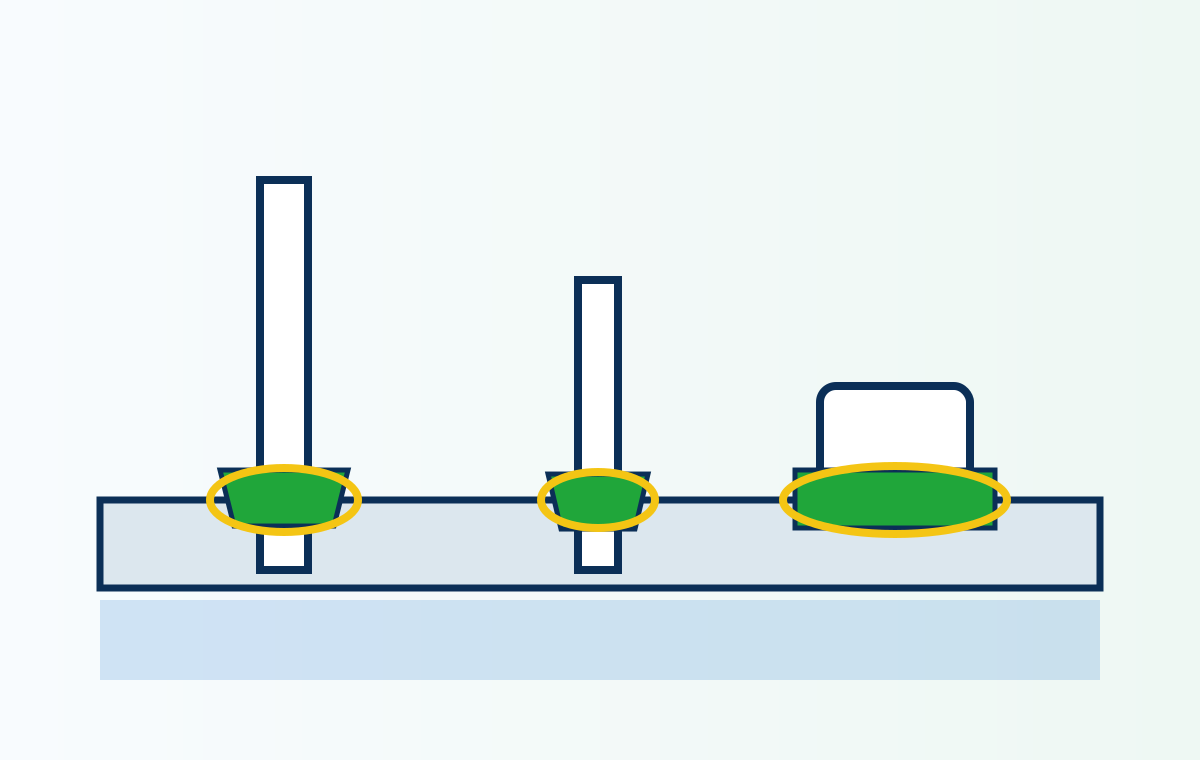
EZfit
Floating-roof fittings and emission-control details
The small openings that decide whether the large roof performs: wells, sleeves, leg seals, gauge-pole details, covers, vents and local penetrations engineered to reduce uncontrolled vapour paths.
Explore →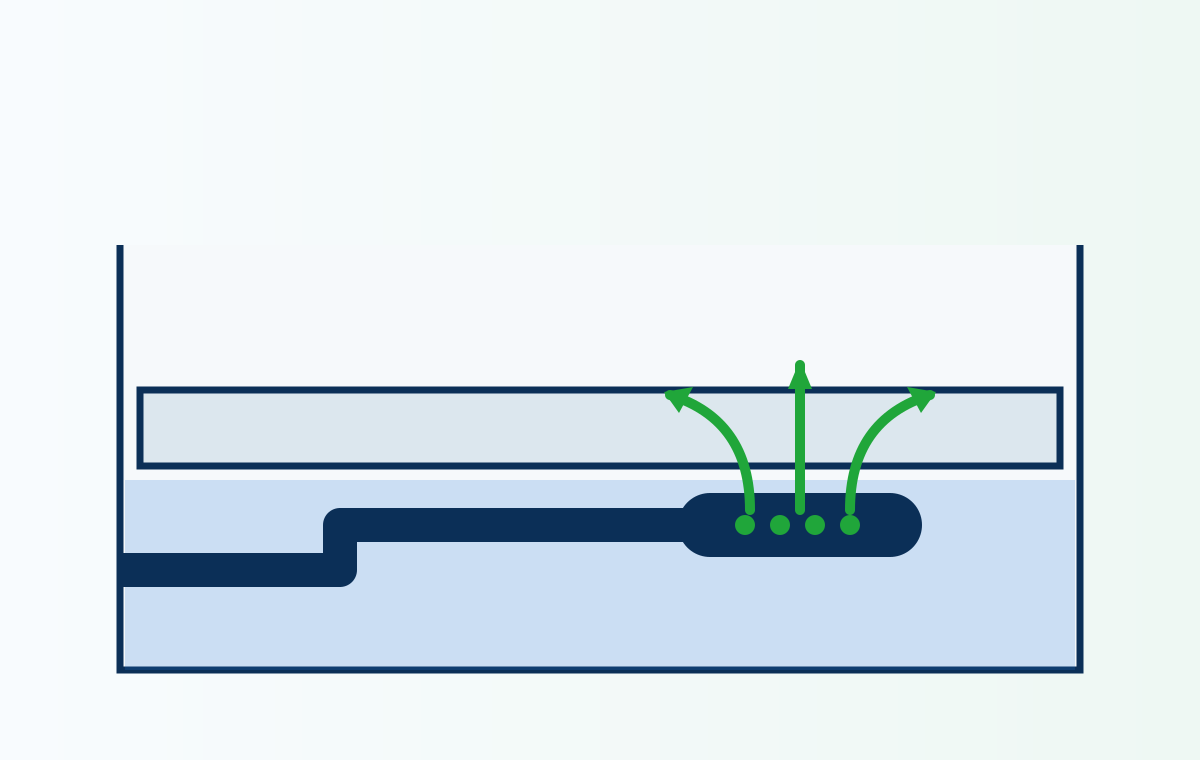
EZdiffuse
Tank inlet and gas-slug diffuser systems
Inlet arrangements engineered to manage liquid momentum, entrained gas and pigging events before they become a floating-roof problem.
Explore →One family, twelve visible configurations.
The first letter defines the primary seal mechanism: S, C, B or P. The second defines the secondary: C, L or W.
That creates a transparent family from EZseal SC through EZseal PW without pretending that a two-letter code replaces application engineering.
Open the EZseal configuration matrix →Choose the architecture after understanding the tank.
We can review the application, operating envelope and emission objective before selecting a physical product configuration.